The Dunfield lab takes on microbial ecology work spanning natural and anthropogenic systems.
Natural Sites
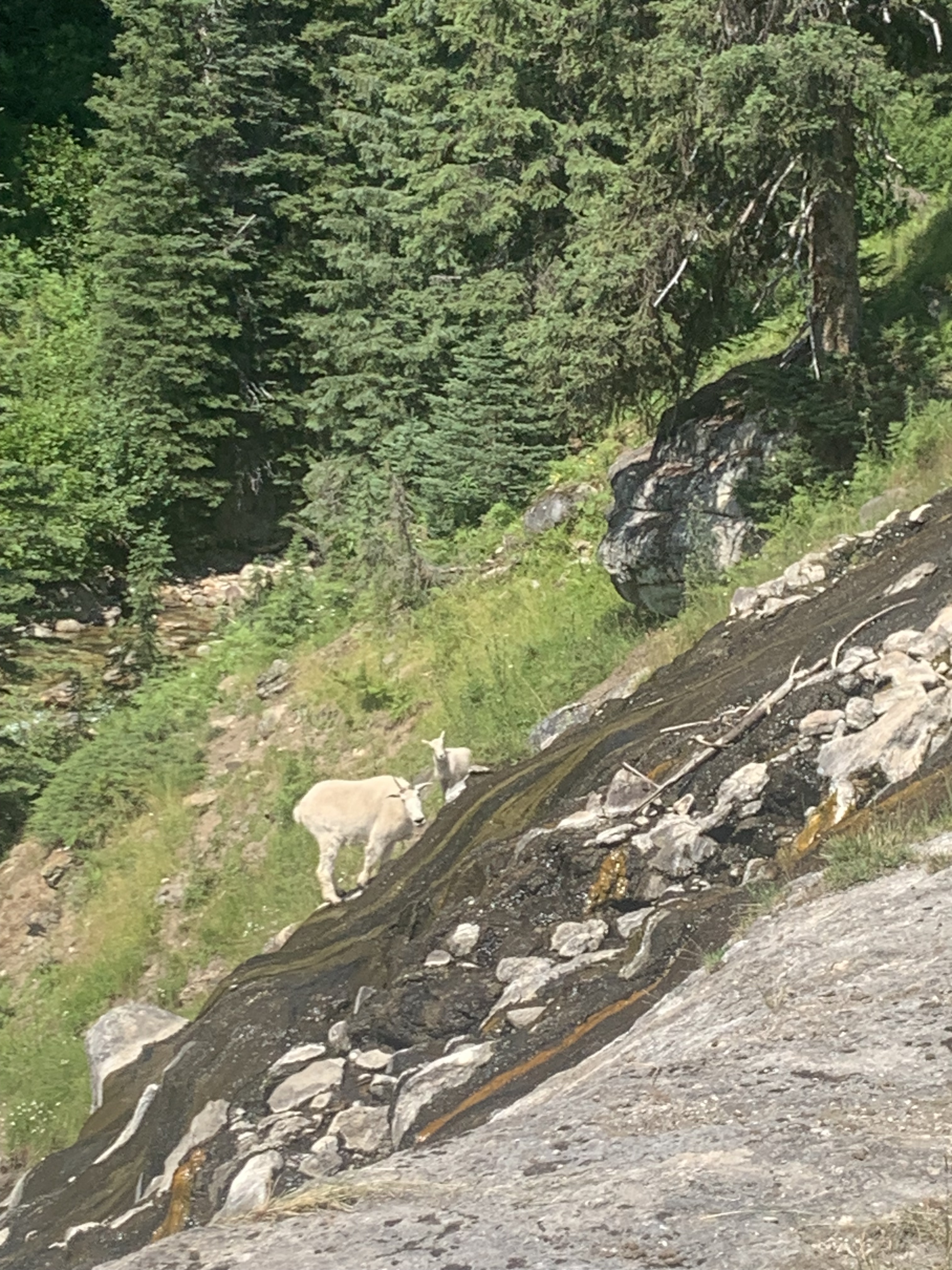
Dewar Creek Hot Springs: The hottest springs in Canada, in the Purcell Wilderness Conservancy. We look at this site and other hot spring locations to assess microbial diversity, survival strategies, and more. Work is done to isolate uncultured organisms and research candidate phyla.
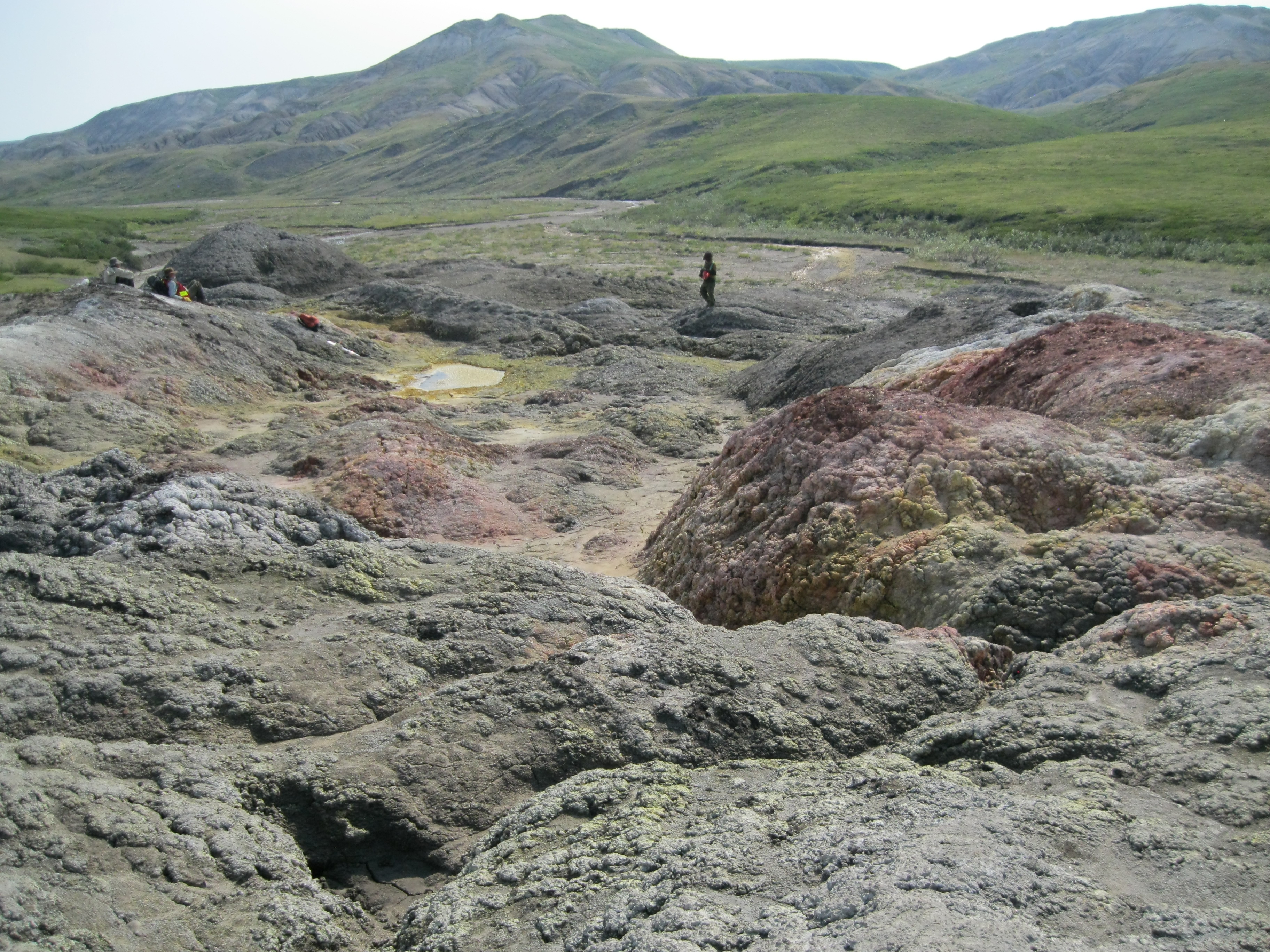
Smoking Hills: A unique formation of continuously burning shales in the far North. We look for signs of life in this extreme environment, and examine microbial genomes for survival adaptations. Site access is extremely remote and requires helicopters and Inuit guides.
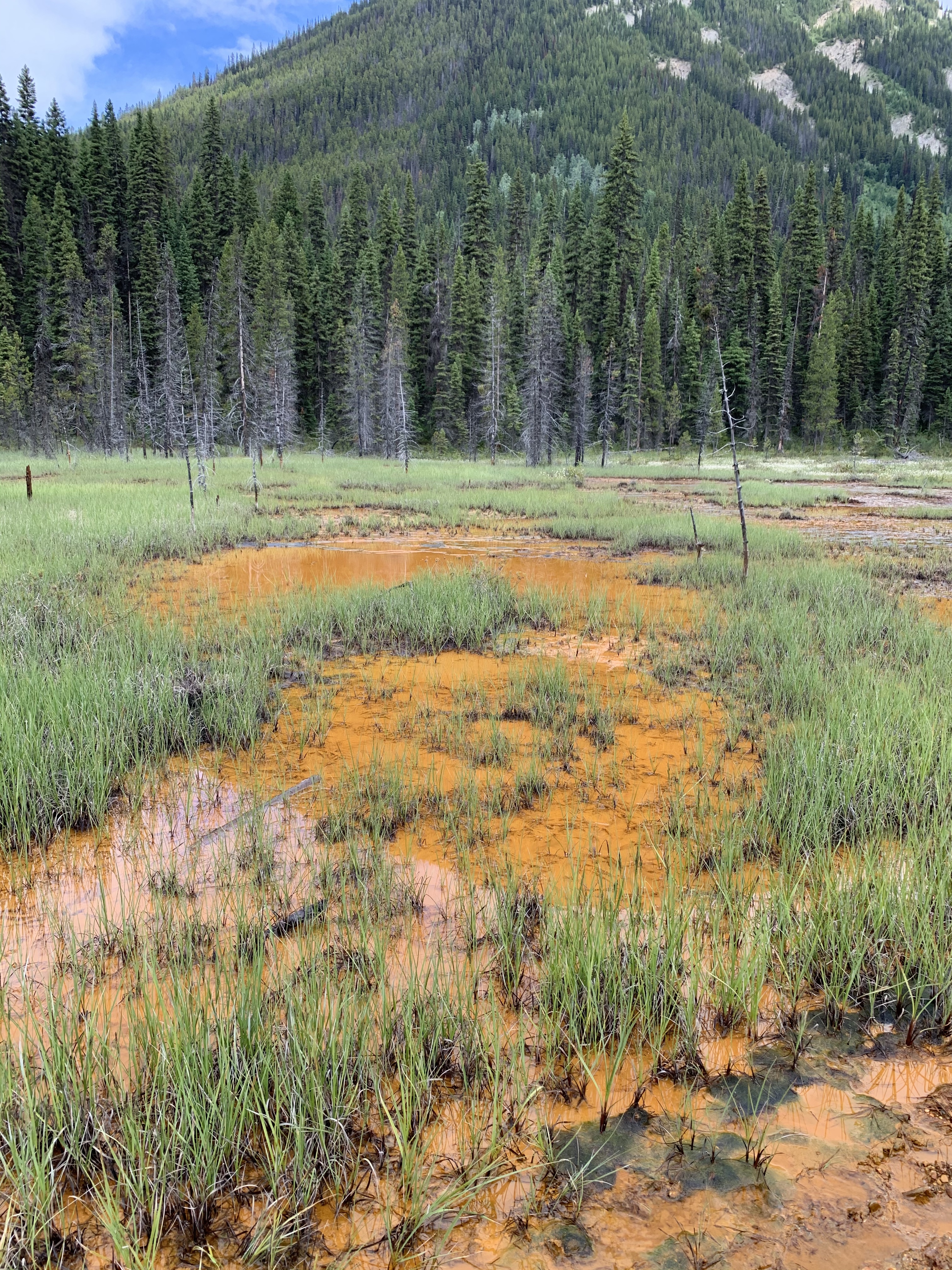
Paint Pots: A bright red iron deposit with a natural spring. This is a popular hiking spot in Kootenay National Park. We study the diversity of this iron-rich habitat and work with Parks Canada to better understand this unique site.
Anthropogenic Systems
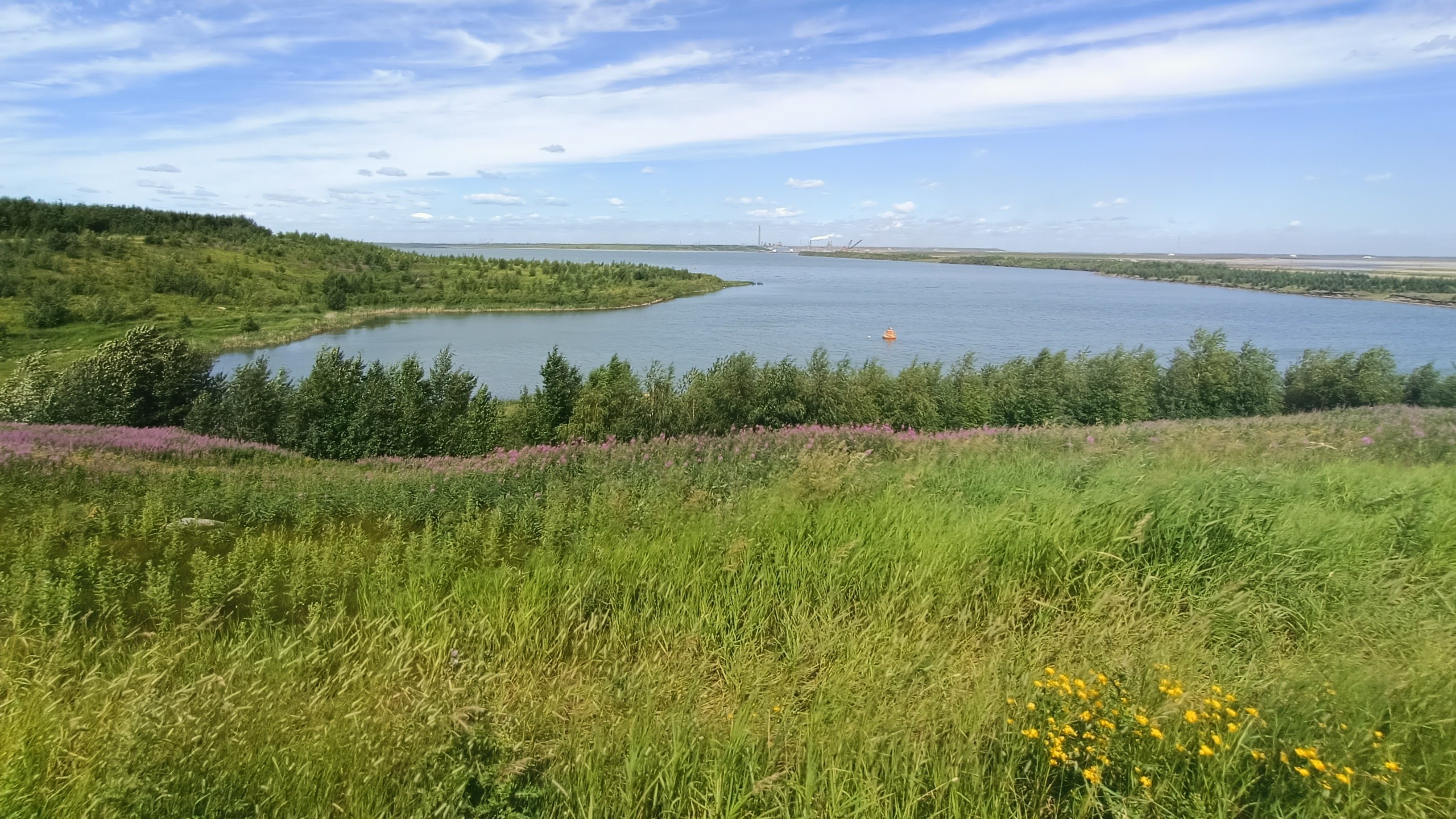
Base Mine Lake: Once a tailings pond, this system has been engineered to mirror a natural lake. We assess the microbial communities (including bacteria, archaea, and algae) to see if the lake is progressing towards a natural system, or if it still resembles a tailings pond community. Our work looks at both the water column and the sediment to fully understand the system, and we work alongside geology, chemistry, and physics teams to study the lake in an interdisciplinary way.
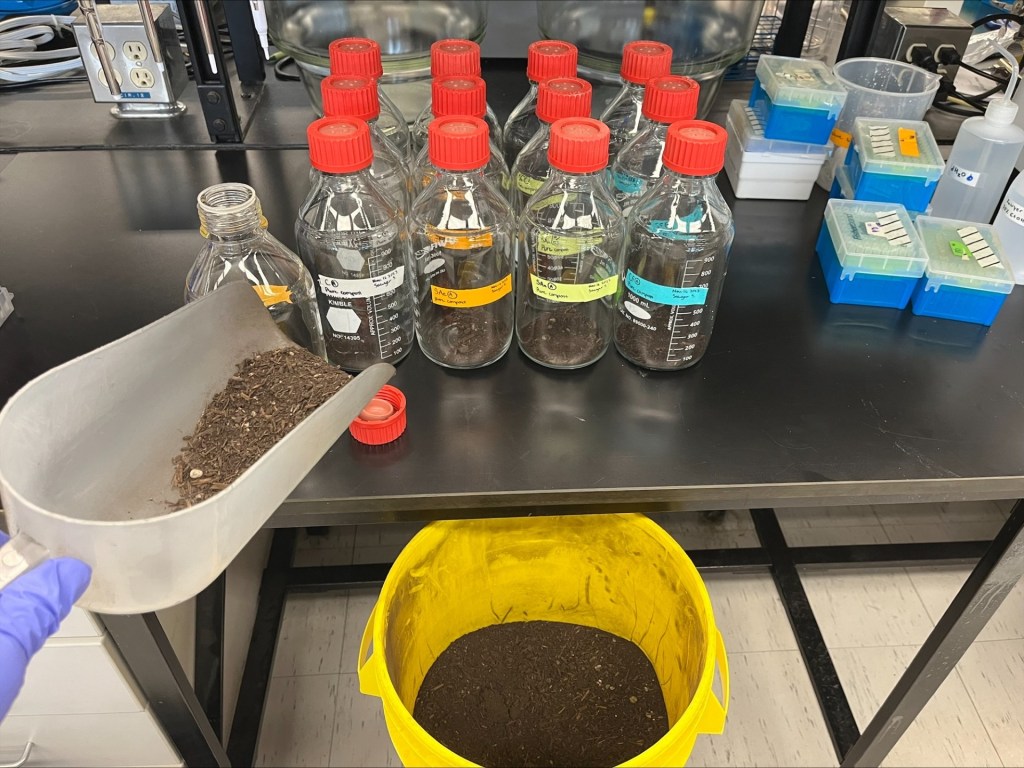
City Composting: Working with the city of Calgary, we assess the microbial communities of compost, with an emphasis on investigating methanotrophic communities. This helps us better understand methane in this system and preps us for continuing biofilter design to remove that methane biologically.
 Dunfield Microbe Lab